
Articles in this Community connection guide
Digital connections do not always prevent people from feeling isolated. Yet, when people come together with shared purpose, they unlock a powerful force for change: community. True transformation begins with human connection, collaboration, and the collective desire to create a better tomorrow. Building stronger communities is not just about neighborhood gatherings or shared resources; it’s about fostering trust, inclusivity, and empowerment so that people can thrive together. This guide explores how these individual threads of connection weave into a resilient fabric capable of supporting local initiatives and driving global progress.
The Foundation of Community: Understanding Human Connection
Human connection is the biological and sociological bedrock upon which all cooperation is built. It is more than a social nicety; it is a fundamental requirement for psychological well-being and societal stability. When we talk about building stronger communities: how connection creates lasting impact, we are referring to the intentional act of moving from a collection of individuals to a cohesive unit. This process starts with the recognition that our lives are inextricably linked to those around us.
In the psychological sense, connection provides a sense of belonging that combats the rising tide of loneliness. Studies consistently show that individuals who maintain strong social ties experience lower levels of stress and higher levels of overall life satisfaction. However, the benefits of connection extend far beyond the individual. On a communal level, these ties represent "social capital." Social capital is the value derived from social networks and the inclinations that arise from these networks to do things for each other. It is the "grease" that allows a society to function smoothly without constant friction or formal intervention.
Consider the difference between a neighborhood where people are strangers and one where they are connected. In the former, a crisis—such as a natural disaster or a local economic downturn—is met with individual panic and fragmented responses. In the latter, the existing bonds of connection allow for an immediate, organized response. Neighbors know who among them is elderly and needs help; they know who has specific skills, like medical training or mechanical knowledge. This existing framework of human connection acts as a safety net that is far more responsive and nuanced than any top-down governmental program could ever be.
The Role of Vulnerability and Shared Experience
Building these foundations requires more than just proximity. It requires shared experiences and the willingness to be vulnerable. Community connection is often forged in the small moments: a conversation over a garden fence, a shared concern about a local school, or a collective celebration of a cultural holiday. These moments build a reservoir of goodwill. When we share our challenges and our successes, we humanize one another, making it much harder for division and apathy to take root.
Building Trust and Inclusivity in Local Networks
If connection is the foundation, trust is the mortar that holds the structure together. Without trust, a community is merely a crowd. Trust allows individuals to invest their time, money, and emotional energy into collective projects with the confidence that their contributions will be valued and that others will do their part. Building this trust is a slow, deliberate process that requires transparency and consistency.
Inclusivity is equally critical. A community that only connects people who are similar in background, age, or socioeconomic status is fragile. True resilience comes from diversity. When a community intentionally reaches out to marginalized voices or those who have historically been excluded, it gains access to a wider range of perspectives and problem-solving strategies. Inclusivity ensures that the "community" actually represents everyone living within its boundaries, not just a vocal minority.
Example: The Community Tool Library
In many urban areas, neighbors have established tool libraries. This initiative requires a high degree of trust—people must trust that their neighbors will return tools in good condition. It also promotes inclusivity by ensuring that residents who cannot afford expensive power tools still have the means to maintain their homes. This simple act of sharing resources builds a culture of mutual reliance and breaks down the barriers of individual ownership that often keep neighbors apart.
Creating "Third Spaces"
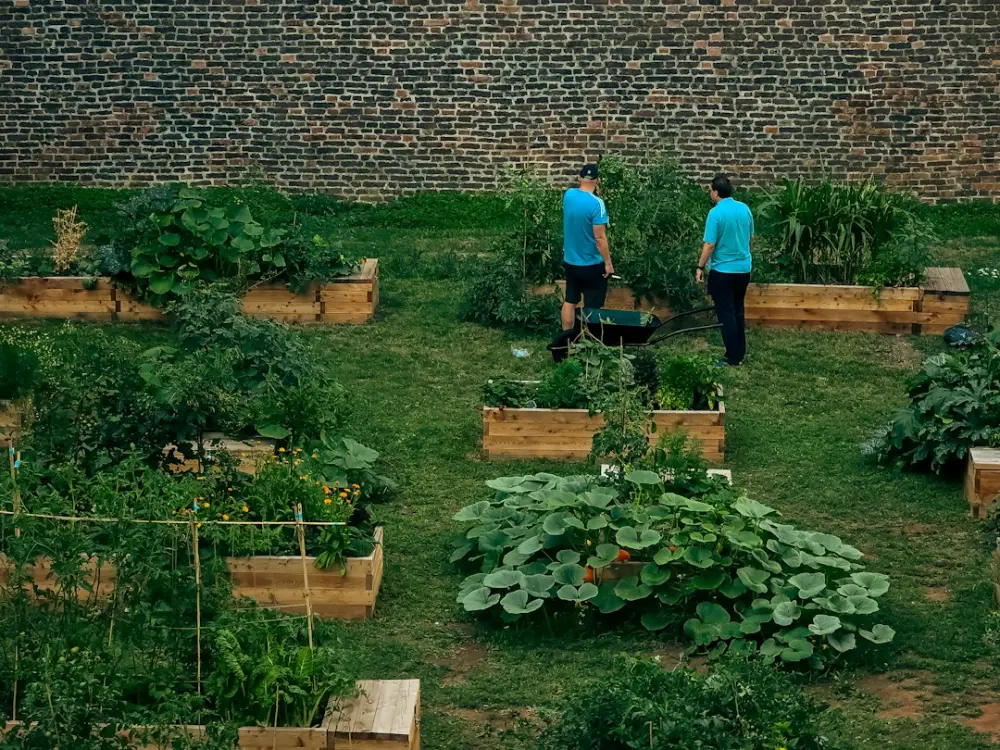
To foster trust and inclusivity, communities need physical and digital "third spaces"—places that are neither home nor work. Public libraries, community gardens, local coffee shops, and even well-moderated neighborhood forums serve this purpose. These spaces allow for the "weak ties" that sociologists argue are essential for a healthy society. While our "strong ties" (family and close friends) provide emotional support, our "weak ties" (acquaintances and neighbors) provide us with new information, different perspectives, and a broader sense of civic identity.
From Interaction to Impact: The Mechanics of Collective Action
Once a community has established strong connections and a baseline of trust, it can move from social interaction to organized action. This is where the potential of the group is realized. The transition occurs when individuals realize that their shared concerns cannot be solved through individual effort alone. We begin to see the power of collective action: why communities thrive together when they pool their resources toward a common goal.
Collective action functions through several key mechanics:
- Resource Pooling: This involves combining financial, physical, and intellectual assets. A single person might not be able to fund a new playground, but a hundred families contributing small amounts can.
- Amplified Voice: A single complaint to a local government office can be ignored. A petition signed by 80% of a neighborhood's residents, backed by a presence at a town hall meeting, demands a response.
- Distributed Labor: Large projects are broken down into manageable tasks. One person manages the social media, another handles the legal permits, and a group of volunteers performs the manual labor. This prevents burnout and ensures that specialized skills are used effectively.
The beauty of collective action is that it creates a positive feedback loop. Each successful project strengthens the bonds of connection and increases the level of trust within the group, making the next, larger project more feasible. This is how communities evolve from fixing a single pothole to revitalizing an entire downtown district.
Mutual Aid as a Model
Mutual aid networks provide a concrete example of collective action in its purest form. Unlike traditional charity, which is often hierarchical (a donor giving to a recipient), mutual aid is horizontal. It is based on the principle of "solidarity, not charity." In a mutual aid network, everyone is both a potential provider and a potential recipient. During the global health crises of recent years, these networks popped up globally to deliver groceries, provide childcare, and share medical information. These were not government-led initiatives; they were the direct result of connected communities recognizing a need and organizing themselves to meet it.
The Local-to-Global Ripple Effect of Connected Communities
While the focus of community connection is often local, the impact rarely stays confined to a single zip code. In a world that is more interconnected than ever, local victories serve as blueprints for broader change. We can observe from local to global: the future of community-driven change in how grassroots movements influence international policy and global trends.
This ripple effect happens through a process of scaling and replication. When a community in one part of the world develops a successful model for sustainable urban farming, that model can be shared digitally and adapted by a community on the other side of the planet. This "digital bridge" allows local knowledge to become a global resource. It bypasses traditional power structures, allowing solutions to bubble up from the ground rather than being imposed from the top down.
Example: The Plastic-Free Movement
What began as small, local groups of citizens in coastal towns deciding to clean up their beaches and lobby local cafes to stop using plastic straws eventually grew into a global movement. These local successes provided the "proof of concept" needed to convince larger corporations and national governments that change was not only necessary but also possible and popular. Today, international treaties regarding plastic waste are being negotiated, all because of the momentum started at the community level.
Fractal Change
The concept of "fractal change" suggests that the patterns we establish in small systems (like a neighborhood) will eventually manifest in large systems (like a nation). If we can build communities that are inclusive, trusting, and capable of collective action, we are essentially creating the DNA for a more functional and compassionate global society. By focusing on the health of our local connections, we are indirectly contributing to the health of the global community.
Sustaining Momentum Through Effective Communication Strategies
The greatest threat to community connection is not opposition from the outside, but the breakdown of communication from within. To sustain momentum, a community must move beyond the initial excitement of a new project and establish robust strategies for long-term engagement. This requires a balance between digital efficiency and the depth of face-to-face interaction.
Effective communication in a community context should be:
- Multichannel: Not everyone uses the same platforms. Relying solely on a social media group will exclude older residents or those without reliable internet access. Using a mix of newsletters, physical flyers, and public meetings ensures that the widest possible audience is reached.
- Two-Way: Communication should not just be about leaders pushing information out. There must be clear, accessible channels for feedback, grievances, and new ideas. This prevents the formation of "echo chambers" and ensures that the group's leadership remains accountable to the community.
- Conflict-Resilient: Disagreements are inevitable when people work together. Healthy communities establish norms for conflict resolution before problems arise. This might include formal mediation processes or simply a shared commitment to respectful dialogue.
Transparency is the final piece of the communication puzzle. When people know how decisions are made and how resources are being used, their trust in the collective is reinforced. Regular "state of the community" updates, even when there isn't a major crisis or project to report on, keep the connections active and the community ready for action when the need arises.
Practical Steps for Strengthening Your Local Bonds
Understanding the theory of community connection is important, but the real value lies in application. If you are looking to deepen the bonds within your own community, consider these practical steps as a starting point for collective action.
1. Map Your Assets: Before trying to solve a problem, identify what you already have. Who are the people in your area? What are their skills? What physical spaces (parks, halls, empty lots) are available? You might be surprised to find that the solution to a local challenge is already present within your network.
2. Start Small and Visible: High-impact, low-effort projects are the best way to build initial momentum. A community cleanup day or a neighborhood potluck provides immediate visible results and allows people to experience the benefits of connection without a massive time commitment. These "small wins" build the confidence needed for more complex initiatives.
3. Practice Active Listening: Spend time talking to your neighbors without an agenda. Ask them what they love about the area and what they worry about. Connection is built on being heard. Often, the most important community projects arise from these informal conversations rather than formal board meetings.
4. Formalize the Informal: Once you have a core group of connected individuals, consider creating a simple structure. This doesn't necessarily mean a complex legal entity, but perhaps a regular meeting time or a shared digital space where ideas can be tracked and tasks assigned. This moves the community from a reactive state to a proactive one.
By focusing on these foundational elements, you contribute to a culture where collective action becomes the default response to challenges. Strengthening these bonds is an ongoing process, but the result is a resilient, empowered, and truly connected community that can face the future with confidence.
Further Reading and Resources
To dive deeper into the specific strategies and stories mentioned in this guide, explore our detailed articles on the various aspects of community development and collective action:
- building stronger communities: how connection – A deep dive into the psychological and social benefits of human connection.
- the power of collective action: why – An exploration of how groups organize to achieve significant social and environmental goals.
- from local to global: the future – A look at how grassroots movements scale to influence the global stage.