The Shift from Megaphone to Campfire
For decades, the art of storytelling was a top-down enterprise. It was the domain of high-budget marketing departments, polished PR firms, and centralized media outlets. In this era, stories were broadcast to an audience—a passive collective expected to consume and internalize a curated brand narrative. However, a seismic shift is occurring in the cultural landscape. The megaphone is being set aside in favor of the campfire.
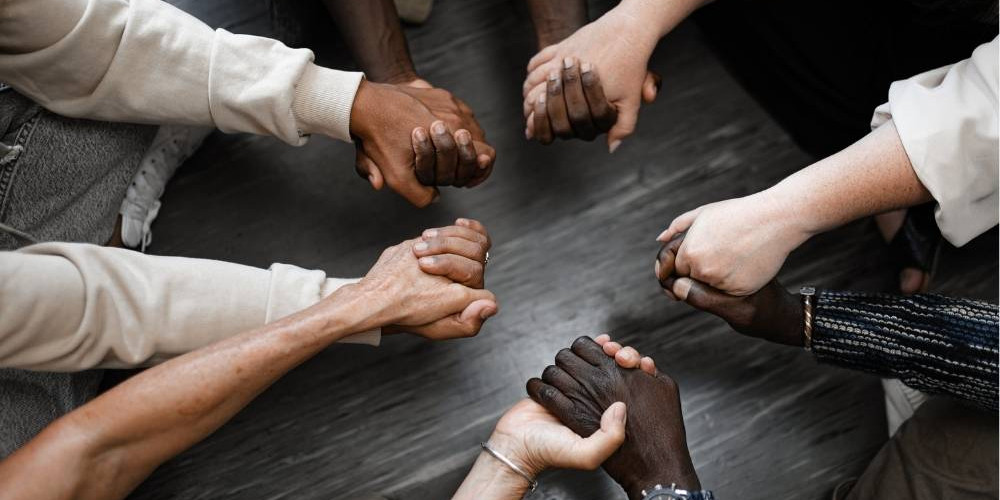
By sharing these grassroots narratives, members demonstrate the inherent power of collective action that transforms a group of individuals into a resilient, self-sustaining movement.
Today, the most impactful, resonant, and successful stories are no longer being told by brands or institutions; they are being told by the communities themselves. This democratization of narrative is not just a trend in content marketing; it is a fundamental change in how we connect, collaborate, and inspire growth. As we move further into an era defined by transparency, the community-led narrative has become the gold standard for authenticity.
The End of the Corporate Monolith
The traditional corporate narrative often suffers from a ‘trust deficit.’ In an age of information saturation, audiences have developed a keen sense for the artificial. When a brand tells its own story, there is an inherent bias that the modern consumer views with skepticism. We have moved past the era of the ‘perfect’ image and the ‘flawless’ mission statement.
From Passive Audience to Active Narrator
What has changed? The rise of digital platforms has turned every member of a community into a potential journalist, advocate, and storyteller. When a member of a community shares their experience, they aren’t bound by a style guide or a quarterly revenue goal. They speak from a place of lived experience. This peer-to-peer communication carries a weight that traditional marketing simply cannot replicate.
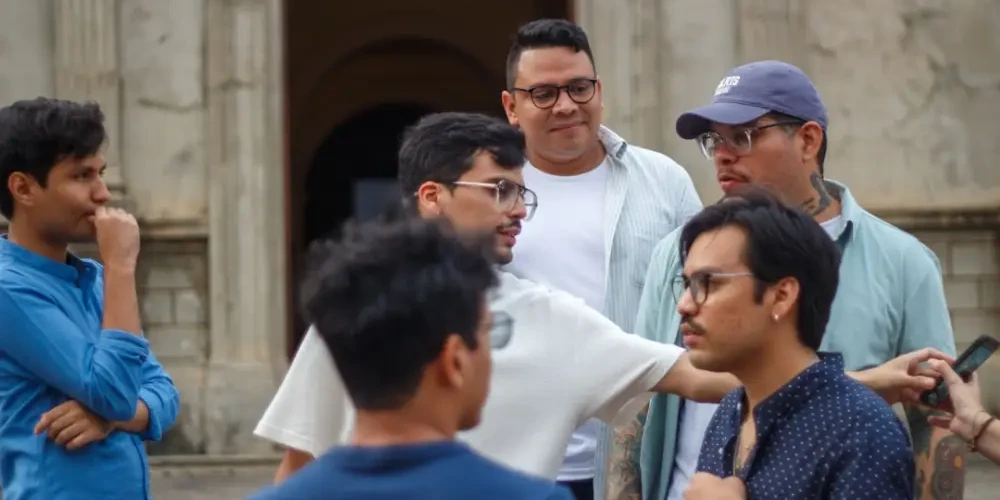
At Save Community, we observe this pattern daily. Whether it is a local neighborhood group organizing for change or a global network of developers collaborating on open-source software, the stories that stick are the ones that emerge from the ground up. These narratives are messy, diverse, and human—qualities that resonate far more deeply than a sanitized corporate video.
The Anatomy of an Authentic Narrative
Why do community stories perform better? It comes down to the fundamental elements of human psychology and social proof. When we hear a story from someone we perceive as an equal, our neurological response is different than when we are marketed to. We look for relatability and shared values.
- Radical Transparency: Community stories often include the struggles and failures that brands try to hide. This vulnerability builds immense trust.
- Diversity of Perspective: A single brand has one voice. A community has thousands. This diversity allows for a richer, more inclusive narrative that can reach varied demographics.
- Organic Advocacy: When a community tells a story, they aren’t just sharing information; they are advocating for a shared identity. This turns storytelling into a movement.
- Real-Time Evolution: Unlike a static marketing campaign, community stories evolve in real-time based on the feedback and participation of its members.
Technology as the Great Equalizer
The shift toward community storytelling has been accelerated by the decentralization of media. Platforms like Discord, Substack, and specialized community forums have bypassed the traditional gatekeepers. These tools have allowed niche communities to build their own media ecosystems where they control the narrative.
The Decentralization of the ‘Expert’
In the past, we looked to ‘experts’—often designated by institutions—to tell us what mattered. Today, the ‘expert’ is the person who has actually done the work within the community. In the world of content marketing, this is known as community-led growth (CLG). By empowering members to share their own successes and challenges, organizations can create a self-sustaining cycle of growth that feels earned rather than bought.
This decentralization means that the ‘best’ story is no longer the one with the highest production value. It is the one that is most useful, most honest, and most reflective of the collective experience. The community is no longer just the audience; it is the editorial board.
The Future of Growth is Collaborative
As we look toward the future of community-driven change, it is clear that storytelling will remain the primary engine of impact. However, the role of the organization must change. Instead of being the storyteller, the organization must become the facilitator. The goal is to provide the platform, the tools, and the encouragement for the community to speak for itself.
When we allow the community to hold the mic, we unlock a level of creativity and connection that was previously unreachable. We move from a world of ‘selling’ to a world of ‘belonging.’ In this new paradigm, the most successful entities will be those that listen more than they speak, and those that realize that their greatest asset isn’t their product, but the collective voice of the people who believe in it.
Conclusion: A New Era of Narrative
The transition from corporate-led to community-led storytelling is a homecoming to the roots of human communication. We have always been a species that thrives on shared tales around the campfire. By returning the power of the narrative to the people, we are creating a more honest, vibrant, and connected world. The best stories are finally being told by the community itself, and it is time we all started listening.